Barnes oven cleaning tips for Richmond homes
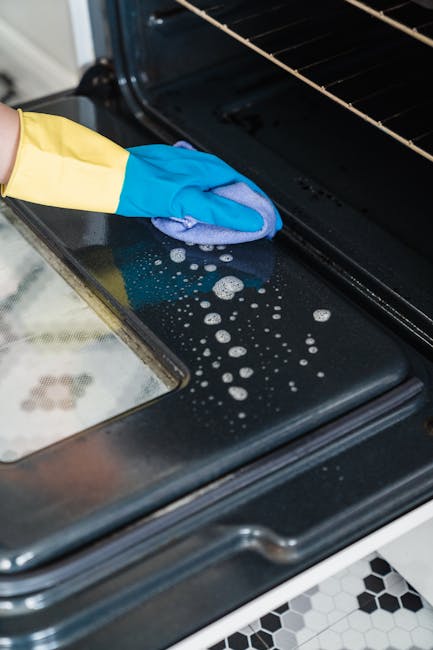
If your oven has reached that awkward stage where the glass looks cloudy, the racks feel sticky, and every roast seems to come with a faint burnt smell, you are not alone. Barnes oven cleaning tips for Richmond homes are really about one thing: keeping a busy kitchen safe, efficient, and pleasant to cook in without turning the whole job into a weekend disaster. Whether you live in a period house near Barnes Common or a modern flat closer to Richmond, the same truth applies: built-up grease is harder to shift the longer it stays there.
This guide walks you through what works, what to avoid, and when it makes sense to bring in a professional cleaner. You will get practical steps, local-minded advice, and a clear sense of how to keep your oven in better shape between deep cleans. Let's face it, nobody wants to spend a Sunday scraping carbonised cheese off a door seal. Not if it can be helped.
- Why it matters
- How it works
- Key benefits and practical advantages
- Who this is for and when it makes sense
- Step-by-step guidance
- Expert tips for better results
- Common mistakes to avoid
- Tools, resources and recommendations
- Law, compliance, standards, or best practice
- Options, methods, or comparison table
- Case study or real-world example
- Practical checklist
- Conclusion
- Frequently asked questions
Why Barnes oven cleaning tips for Richmond homes Matters
Oven cleaning is one of those jobs people put off until there is no real choice. Then it becomes a bigger job than it needed to be. In Barnes and the wider Richmond area, homes often combine active family kitchens, smaller apartment layouts, and older properties with finishes that need a gentle hand. That mix makes oven care a little more nuanced than a simple wipe-down.
Regular oven cleaning matters for three simple reasons. First, performance: a cleaner oven heats more evenly and tends to smell better. Second, hygiene: grease, food spills, and baked-on residue can attract smoke, odours, and even pests if left unchecked. Third, wear and tear: the longer residue sits on enamel, glass, seals, and trays, the more stubborn it becomes. Truth be told, a neglected oven can go from mildly annoying to genuinely frustrating fast.
There is also a visual side to this. Richmond homes are often places where people take pride in the kitchen because it is part of daily life and entertaining. A clean oven just changes how the whole room feels. You notice it when you open the door and get a clean, neutral smell instead of that old burnt-food whiff. Small thing, yes. But it makes a difference.
If you are already looking at broader home cleaning or planning a deeper refresh, you may also find useful guidance on deep cleaning and domestic cleaning for the rest of the property. Oven care fits neatly into a wider routine rather than standing alone.
How Barnes oven cleaning tips for Richmond homes Works
Good oven cleaning is less about brute force and more about sequencing. You start by identifying the oven type, the level of build-up, and the parts that can be safely removed. Then you deal with loose debris, soften or lift baked-on grease, clean the removable components, and finally reassemble everything carefully.
There are a few different approaches. Some people prefer natural methods like baking soda and vinegar. Others use commercial oven cleaners. Professional cleaners may use specialist products and methods designed to cut through heavy carbon without damaging surfaces. The best method depends on the oven's condition, the material finish, and how much time you want to spend. Simple enough on paper. In practice, it is the difference between a tidy result and a sore wrist.
For Richmond homes, especially where kitchens are used frequently but space is limited, a structured approach matters because you often do not have the luxury of leaving things spread out for hours. A cleanable tray on the counter, a bowl for screws or knobs, and a bit of ventilation go a long way. If you rush, little errors creep in: a seal gets missed, a fan cover stays greasy, or a drip slips down behind the door.
The main idea is this: clean the oven from top to bottom, outside to inside, and dry everything properly before you use it again. That is the backbone. The rest is just method.
Key Benefits and Practical Advantages
A properly cleaned oven gives you more than a nice-looking appliance. The practical gains are real, and you usually notice them within the first couple of uses.
- Better cooking consistency: built-up residue can affect heat flow and create hot spots.
- Reduced smoke and odour: old grease tends to burn off during cooking and can set off the kitchen extractor harder than it should.
- Less risk of stubborn damage: cleaning before residue hardens makes future upkeep easier.
- More pleasant kitchen environment: simple, but absolutely true.
- Improved presentation: useful if you are moving out, hosting, or just tired of avoiding the oven light.
There is a financial angle too, though it is modest rather than dramatic. A well-maintained oven is less likely to need avoidable repairs caused by excessive build-up, blocked vents, or damaged seals. No miracle claims here, just common sense. And common sense is underrated.
If your wider home is also due for a refresh, services such as one-off cleaning or move-out cleaning can be a practical fit when the oven is only one part of a bigger reset.
Who This Is For and When It Makes Sense
This kind of oven care makes sense for a wide range of Richmond households, but some situations benefit more than others.
You will especially want to pay attention if you:
- cook several times a week or more
- roast fatty meats, tray bakes, or dishes that splatter
- live in a rental property and need to protect your deposit
- are preparing a property for sale or new tenants
- have an oven with heavy grease inside the door or around the fan
- notice smoke, odour, or uneven cooking during normal use
It also makes sense if your kitchen cleaning routine keeps stopping at the visible surfaces. That happens all the time. The worktop gets wiped, the hob looks fine, and the oven quietly becomes the forgotten part of the room. Then one day you open it and think, oh, that is worse than I remembered.
For landlords, letting agents, or anyone managing a property, oven condition matters because tenants notice it straight away. If you are working through a broader property reset, the guidance on end of tenancy cleaning and after builders cleaning can help frame where oven cleaning sits within the larger job.
Step-by-Step Guidance
Here is a practical, low-drama way to clean an oven properly. It is not glamorous, but it works.
- Switch the oven off and let it cool completely. This sounds obvious, but people get impatient. Don't.
- Remove racks, trays, and loose parts. Place them somewhere safe so nothing gets lost or scratched.
- Brush or vacuum out loose debris. Crumbs, ash, and burnt flakes make the wet stage messier.
- Choose your cleaning method. Use a suitable oven cleaner, a baking soda paste, or a professional-grade approach depending on the build-up.
- Work on one section at a time. Top, sides, base, door, and then the removable items.
- Let the cleaner dwell for the correct time. Rushing this step usually means scrubbing twice.
- Wipe thoroughly with damp cloths. Change cloths often so you are not spreading grease around.
- Clean the glass separately. Use a method that will not scratch the surface.
- Dry every surface. Moisture left behind can cause smells the next time you heat the oven.
- Reassemble only when fully dry. Then run the oven briefly if the product instructions recommend it.
For the racks, soaking is often the easiest route. A large sink, bath, or tray liner can help loosen deposits before wiping. If the racks are very stained, you may need a second pass. That is normal. Not exciting, but normal.
The oven door seal deserves extra care. A damaged or overly harshly cleaned seal can affect heat retention. If you spot cracked rubber, brittle edges, or loose sections, do not scrub aggressively. Treat it gently and consider professional advice if needed.
Expert Tips for Better Results
Small adjustments make a big difference. After years of dealing with dirty ovens, the patterns are pretty clear.
1. Clean sooner than you think you need to. Light, regular cleaning is always easier than heroic cleaning after six months of roast dinners and spilt gratin. If you wipe away fresh splatter once the oven has cooled, you avoid a lot of future labour.
2. Use ventilation wisely. Open a window if the cleaner has a strong smell. In a compact Richmond kitchen, even a little airflow helps. You will notice the air feels less heavy very quickly.
3. Don't mix chemicals. This one really matters. Different products can react badly together. If you use one cleaner, rinse properly before trying another.
4. Pay attention to hidden areas. The top edge of the door, the corners near the hinge, and the underside of removable racks are common miss points. Those little pockets collect grime. Of course they do.
5. Match the method to the oven type. Self-cleaning ovens, steam-clean ovens, and standard fan ovens all need slightly different treatment. What works on one can be unhelpful on another.
6. Use soft cloths, not rough pads, on glass and enamel. Scratches make the surface harder to keep clean later.
One useful habit is to do a 5-minute tidy after a messy roast or bake. It sounds too small to matter, but those five minutes can save an hour later. A little and often, as people say. Annoying advice, but usually correct.
Common Mistakes to Avoid
Most oven cleaning mistakes are not dramatic. They are just small choices that make the job harder or create avoidable risk.
- Using too much product: more cleaner does not automatically mean better cleaning.
- Scrubbing with abrasive tools: this can damage glass, seals, enamel, and interior coatings.
- Ignoring the manufacturer's guidance: different ovens have different care requirements.
- Forgetting to rinse residues away: leftover product can smell when heated.
- Cleaning the oven while warm: it increases the risk of burns and may smear residues around.
- Leaving racks wet before reuse: that can lead to odours or spotting.
- Neglecting the fan area: this is often where smoke and smell problems linger.
Another common issue is impatience with dwell time. You apply the cleaner, wait five minutes, decide it is not working, and start scrubbing immediately. Then you scrub again. And again. Been there, as the saying goes, and it is not the elegant shortcut it looks like.
If you are dealing with a very dirty oven or a property that needs broader care, professional oven cleaning may be more efficient than trying to force a tired appliance back to life with a sponge and a prayer.
Tools, Resources and Recommendations
You do not need a cupboard full of specialist gear, but the right basics help a lot. A sensible kit keeps the job cleaner and faster.
| Tool or item | Best use | Why it helps |
|---|---|---|
| Microfibre cloths | General wiping and polishing | Lift grease without scratching surfaces |
| Soft sponge | Gentle cleaning on enamel and door glass | Good for controlled scrubbing |
| Non-abrasive scraper | Stubborn baked-on residue | Helps remove deposits safely when used carefully |
| Rubber gloves | Hand protection | Useful with degreasers or hot water |
| Old towels or a tray liner | Protecting floors and worktops | Prevents mess spreading around the kitchen |
| Suitable oven cleaner | Heavy grease removal | Choose one compatible with your oven finish |
For households looking beyond the oven, related services like kitchen cleaning are not available as a link here, so keep the focus on the tasks you can manage safely at home. If you need broader support, the site's pricing and quotes page is a useful place to understand what to expect before booking anything.
Also worth considering: if you are planning a bigger clean, oven work can fit neatly alongside regular cleaning or house cleaning so the whole home is handled in one sequence rather than piecemeal.
Law, Compliance, Standards, or Best Practice
For domestic oven cleaning, there usually is not a complicated legal framework to worry about, but best practice still matters. In UK homes, the key expectations are simple: work safely, use products as directed, and avoid causing damage to the property or appliance.
If you are hiring a cleaner, it is reasonable to expect them to use suitable methods, protect surfaces, and handle chemicals responsibly. Reputable providers should also be able to discuss insurance, safety, and what is included in their service. That kind of clarity matters. It saves confusion later, and frankly it is just the professional way to do things.
You may also want to ask about waste handling, ventilation, and whether any products used are appropriate for homes with pets, children, or sensitive surfaces. A good cleaning practice should not leave strong residues behind. In general, if something smells intensely chemical long after the work is done, that is worth questioning.
For peace of mind, take a look at the site's health and safety policy and insurance and safety information. If you want to understand service terms more broadly, the terms and conditions page is also relevant.
Options, Methods, or Comparison Table
There is no single best oven-cleaning method for every household. The right choice depends on the level of build-up, the time you have, and how careful you need to be around delicate parts.
| Method | Best for | Pros | Trade-offs |
|---|---|---|---|
| Manual cleaning with mild product | Light to moderate dirt | Controlled, inexpensive, familiar | Can be time-consuming on heavy build-up |
| Baking soda paste style cleaning | Routine upkeep and lighter grime | Simple ingredients, gentle approach | May need repeat applications |
| Commercial oven degreaser | Stubborn grease and carbon | Stronger action, faster results | Needs care, ventilation, and proper rinsing |
| Professional oven cleaning | Heavy soiling, busy households, move-outs | Efficient, thorough, less effort for you | Costs more than DIY, but often saves time |
In real life, many households end up using a mixed approach. A professional deep clean once in a while, then lighter maintenance at home. That tends to be the sweet spot. If your kitchen is part of a rental or short-let setup, links like airbnb cleaning may also be relevant where turnover standards are high and timing matters.
Case Study or Real-World Example
A typical Richmond scenario goes like this. A family in a terraced home near Barnes has an oven that gets used heavily for school-night dinners and weekend roasts. Over time, grease builds up on the glass, the side walls darken, and the oven starts releasing a faint burnt smell during preheating. Nothing dramatic, but enough to be irritating.
They begin with a light clean: racks removed, crumbs cleared, door glass wiped, and the base degreased carefully. That helps, but the stubborn patches around the fan area remain. Rather than keep scrubbing and risking scratches, they decide to use a more targeted oven-cleaning method and clean the stubborn spots in stages. The difference is immediate: less smoke, less smell, and a door that no longer looks permanently fogged from the outside.
The lesson is simple. Once build-up reaches a certain point, patience and sequence matter more than force. That is especially true in homes where the kitchen is used every day. The first clean takes effort. The next one is much easier. You can almost hear the appliance sigh in relief. Well, almost.
For households juggling multiple rooms or a larger reset, pairing oven work with house cleaning or one-off cleaning can be a practical way to bring the entire home back into shape without dragging the job out for days.
Practical Checklist
Use this quick checklist before and during your oven clean. It keeps the job calmer, and a bit less chaotic.
- Oven switched off and fully cooled
- Gloves on and ventilation open
- Racks, trays, and loose parts removed
- Loose crumbs and debris cleared first
- Cleaning method chosen for the oven type
- Door, seals, and corners checked carefully
- Glass cleaned with a non-scratch method
- Racks soaked or treated separately
- All surfaces rinsed or wiped thoroughly
- Parts dried before reassembly
- Final smell and residue check done before cooking
Quick takeaway: the safest approach is usually the one that matches the oven's condition, not the strongest product on the shelf. Gentle routine care beats emergency scrubbing almost every time.
Get a free quote today and see how much you can save.
Conclusion
Oven cleaning in Barnes and across Richmond homes does not need to be complicated, but it does need to be thoughtful. If you clean little and often, use the right tools, and avoid harsh mistakes, your oven will stay cleaner for longer and perform better in day-to-day use. If the build-up has already become stubborn, a more targeted deep clean can reset the appliance and save a lot of time later.
The bigger point is this: a clean oven makes the kitchen feel better to use. Meals smell better, cooking feels easier, and the whole room feels more cared for. That is worth a bit of effort. Honestly, more than people admit.
If you are comparing options or planning a broader home clean, the site's about us page can help you understand the service approach, and contact us is there when you are ready to ask a few questions. A tidy oven may be a small win, but small wins stack up nicely.
Frequently Asked Questions
How often should I clean my oven in a Richmond home?
For most households, a light clean after messy cooking and a deeper clean every few months is a sensible rhythm. If you cook often or roast frequently, you may need to clean it more regularly to stop grease becoming baked on.
What is the safest way to clean an oven door glass?
Use a soft cloth or non-abrasive sponge, plus a cleaner that is suitable for glass and enamel. Avoid metal scourers and sharp tools, because they can scratch the surface and make it harder to keep clean later.
Can I clean oven racks in the bath?
Yes, many people do, provided the bath is protected and the racks fit safely. Use warm water and a suitable cleaner, then rinse thoroughly. If the racks are heavily stained, they may need soaking and a second pass.
Are natural oven cleaning methods effective?
They can be useful for light grime and maintenance cleaning. For thick grease or carbon build-up, a stronger cleaner or a professional service is often more practical. Natural methods are handy, just not magic.
When should I book a professional oven cleaning service?
If the oven has heavy build-up, persistent smells, smoke during cooking, or you simply do not have the time, a professional clean is often the easier choice. It is also sensible before moving out or handing a property back to a landlord.
Will oven cleaning remove bad smells?
Often, yes. Smells usually come from old grease, burnt residue, or food trapped in hard-to-see places. A thorough clean of the cavity, racks, glass, and seals usually improves things noticeably.
Is it safe to use strong oven cleaners at home?
It can be safe if you follow the product instructions, ventilate the kitchen, and avoid mixing products. Always keep cleaners away from children and pets, and rinse surfaces properly before cooking again.
Do Richmond renters need to clean ovens before moving out?
In most cases, yes, it is a good idea to return the oven in a clean condition unless the tenancy agreement says otherwise. End-of-tenancy expectations usually include kitchens that are left hygienic and presentable.
What should I do if the oven seal looks damaged?
Do not scrub it hard. Clean around it gently and check whether it is loose, cracked, or brittle. If the seal looks damaged, it may need replacing rather than just cleaning.
Can oven cleaning improve cooking results?
It can help, especially if built-up grime is affecting heat distribution or causing smoke. A cleaner oven tends to run more evenly and gives you a more pleasant cooking experience overall.
Is oven cleaning part of a wider house cleaning routine?
Yes, it fits naturally into a broader home care routine. Many people combine it with deep cleaning, house cleaning, or regular cleaning so the kitchen stays manageable rather than becoming a big job all at once.
What if my oven still smells after cleaning?
If the smell remains, check for leftover product residue, hidden grease in vents or around the fan, and any material that may have been missed. If the oven is still odorous after a proper clean, a more detailed inspection or professional cleaning may be the next step.