Richmond Hill end of tenancy cleaning guide for landlords
Posted on 13/08/2026

If you let property in Richmond Hill, end of tenancy cleaning is one of those jobs that looks simple from a distance and turns out to be anything but. A flat can seem "pretty clean" at first glance, then the oven tells a different story, the skirting boards show a winter's worth of dust, and the carpet near the sofa looks tired under daylight. This Richmond Hill end of tenancy cleaning guide for landlords walks through what matters, what to check, and how to avoid the usual post-tenancy headaches.
Whether you manage one rental or several, the aim is the same: hand over a property that feels fresh, presentable, and properly looked after. That helps with tenant changeovers, inspection outcomes, and those awkward disputes that can drag on longer than anyone wants. Let's keep it practical.
Why Richmond Hill end of tenancy cleaning guide for landlords Matters
For landlords, cleaning at the end of a tenancy is not just about appearances. It is about resetting the property for the next occupier, spotting damage early, and protecting the standard you want to maintain over time. In a local market like Richmond Hill, where many tenants expect a polished finish, presentation matters. Quite a lot, actually.
A proper end of tenancy clean reduces the chance that your next viewing starts with a bad impression. The smell of old cooking fat, streaky bathroom glass, or a dusty extractor fan can subtly suggest poor maintenance, even when the property is structurally fine. That kind of first impression can affect enquiries, rent confidence, and how quickly the property feels "ready."
It also matters because end of tenancy cleaning is often the last practical step before inventory check-out, minor repairs, and re-marketing. If the clean is rushed, you can miss issues that later become bigger problems. A scuffed hob, mould around a shower seal, or dirt hidden behind appliances is easier to deal with when the property is empty and access is straightforward.
To be fair, landlords sometimes assume a standard domestic clean will do the job. Sometimes it will. Often it won't. End of tenancy cleaning goes deeper: it is a reset clean, not a weekly tidy. If you are comparing support options, it can help to look at broader cleaning services overview pages first, then narrow down what the empty property actually needs.
How Richmond Hill end of tenancy cleaning guide for landlords Works
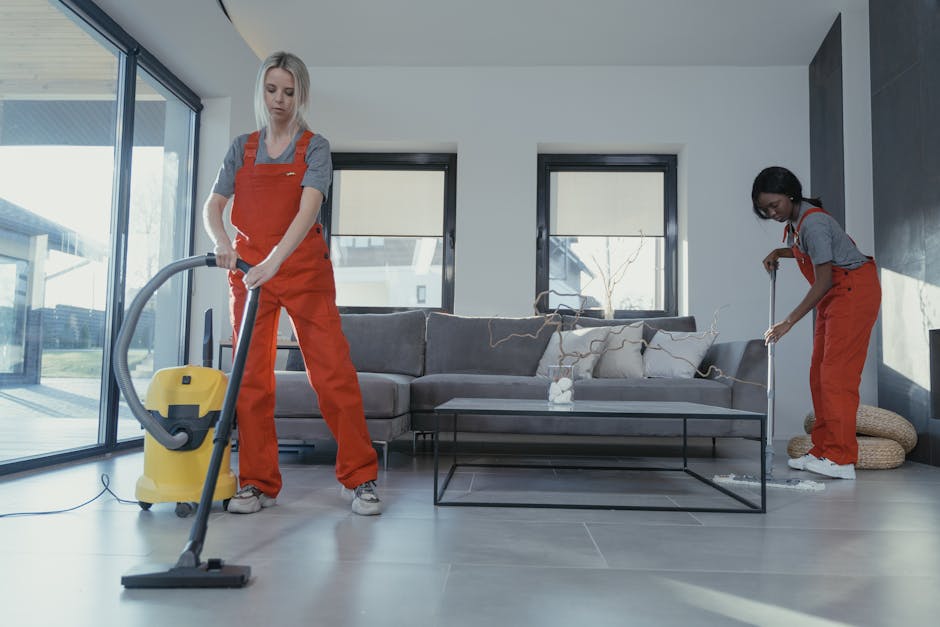
At its simplest, the process is a room-by-room deep clean once the tenant has moved out and the property is vacant. That allows cleaners, landlords, or managing agents to reach behind furniture, under appliances, inside cupboards, and into all the awkward spots that live-in cleaning never touches properly.
Here is the usual flow:
- The property is cleared of tenant belongings and rubbish.
- Rooms are inspected for heavily soiled areas, damage, and items needing repair.
- High-contact and hard-to-reach areas are cleaned thoroughly.
- Kitchens and bathrooms receive extra attention because they hold grease, limescale, soap residue, and odours.
- Floors, carpets, and soft furnishings are treated as needed.
- The final result is checked against the move-out standard you want for re-letting.
The best end of tenancy cleans are methodical rather than frantic. A cleaner who starts in the kitchen and then jumps straight to the hallway, then back to the bathroom, usually ends up doubling their work. A structured approach matters. So does good lighting. A lot of missed marks show up near windows or at the very end of the day when the light goes low and the place suddenly looks less forgiving.
If you are planning a reset before re-marketing, you may also want to pair the clean with a wider deep cleaning service or a more flexible one-off cleaning option, depending on the condition of the property.
Key Benefits and Practical Advantages
The obvious benefit is a cleaner property. But landlords get a few other advantages too, and some are easy to overlook until a problem lands on your desk.
- Smoother re-letting: A clean, fresh property photographs better and feels move-in ready.
- Clearer handover checks: Dirt and damage are easier to separate when everything has been cleaned properly.
- Better asset care: Regular deep cleans help extend the life of surfaces, fittings, and flooring.
- Fewer disputes: A documented, thorough clean can reduce friction over condition claims.
- Stronger tenant experience: New tenants notice when a property has been prepared properly.
There is also a commercial side. In practice, a well-cleaned rental can reduce the lag between tenancies, which is useful if you are managing cash flow or trying to keep void periods short. If you are thinking more broadly about property performance in the area, the article on smart real estate investment in Richmond is a useful companion read.
And yes, a clean property can sometimes save a headache later that costs far more than the clean itself. Not every time, but enough times to matter.
Who This Is For and When It Makes Sense
This guide is for landlords, letting agents, portfolio landlords, and property managers who need a reliable process for tenant handovers. It is especially relevant if you let furnished flats, period homes, or smaller apartments where dirt builds up quickly in kitchens and bathrooms.
It also makes sense if:
- the tenancy ended after a long occupation;
- there are visible kitchen or bathroom build-ups;
- you need the property photographed for new marketing;
- you want to compare the condition against the inventory fairly;
- the previous tenant did a decent tidy but not a full reset;
- you have carpets or upholstery that need attention before the next viewing.
If the property has been let for years without a proper refresh, the decision is usually easy. If it is a newer tenancy and the tenant left the place in good shape, you may only need a lighter intervention. The judgement call is yours, but do not skip the inspection step. That is where the real picture emerges.
Local context matters too. Richmond Hill rentals can move quickly when presented well, and nearby area pages such as the Richmond upon Thames cleaners page for TW9 can help you understand the broader service coverage if you manage properties across the district.
Step-by-Step Guidance
Here is a practical landlord-friendly process you can use after a tenancy ends.
- Confirm the move-out date and access plan. Make sure keys, alarms, and entry arrangements are sorted before anyone arrives. Nothing slows a clean like a lockbox mix-up.
- Carry out a quick visual inspection. Look for damage, missing items, and obvious problem areas before cleaning begins. Photograph anything that may need repair or evidence.
- Remove waste and leftovers. Clear bins, old food, abandoned cleaning products, and anything left behind. This makes the actual clean more efficient.
- Start high and work down. Dust cobwebs, light fittings, tops of cupboards, and high ledges before dealing with worktops, skirting boards, and floors.
- Focus on kitchen hygiene. Degrease hobs, extractor areas, splashbacks, cupboard fronts, sinks, taps, and appliance exteriors. Inside ovens and fridges often need separate attention.
- Deep clean bathrooms. Remove limescale, soap scum, mildew, and stains. Check behind taps, around seals, and where tiles meet edges.
- Address floors properly. Vacuum thoroughly, mop hard floors, and consider specialist support for carpets if they are marked or smell stale.
- Wipe internal surfaces. Doors, handles, switches, shelves, wardrobes, and drawers collect more grime than people expect.
- Check windows and frames. Clean reachable glass, ledges, sills, and tracks. Smudges show up fast in bright daylight.
- Review the result against your standard. Compare the final clean to your inventory expectations and arrange any follow-up tasks, like repainting or maintenance.
A small but useful habit: walk the property from the front door as if you are a first-time viewer. You will notice different things. Strange, but true. It resets your perspective and catches details a room-by-room checklist can miss.
Expert Tips for Better Results
Over the years, the difference between a good clean and a great one tends to come down to planning, not just elbow grease.
- Book cleaning after the property is fully empty. Empty rooms reveal dust, marks, and floor condition properly.
- Group similar tasks together. All kitchen degreasing, then all bathroom descaling, then all dusting. It keeps momentum and reduces backtracking.
- Use daylight where possible. A bright morning can reveal streaks and residue that overhead light hides.
- Don't forget soft furnishings. Curtains, sofas, and mattresses can hold odours even when everything else looks fine.
- Freshen the property, not just sanitise it. A neutral, clean scent is better than a heavy fragrance that tries too hard.
- Keep a repeatable standard. Landlords with multiple properties benefit from the same room-by-room checklist every time.
If your rental has worn carpets or tired upholstery, specialist support may be the difference between "acceptable" and "ready for marketing." Consider carpet cleaning in Richmond upon Thames or upholstery cleaning in Richmond upon Thames when visible wear is part of the handover picture.
Also, ask for a clear before-and-after workflow. It sounds obvious, but a lot of time gets wasted when a cleaner arrives without a defined order. Nobody needs that kind of drama on a Tuesday afternoon.
Common Mistakes to Avoid
Most landlord cleaning problems are surprisingly ordinary. The good news is that they are easy to avoid once you know what to look for.
- Assuming "tidy" means "clean." A property can look presentable while still failing on grease, scale, dust, or odour.
- Leaving cleaning until after repairs. In many cases, cleaning first helps you see what really needs fixing. There are exceptions, of course.
- Overlooking appliances. An oven, fridge, washer, or dishwasher with residue inside can ruin the overall impression.
- Ignoring hidden areas. Behind radiators, under sinks, and along skirting boards is where the dust quietly camps out.
- Skipping carpets and upholstery. They hold onto smells and marks long after surfaces look done.
- Not documenting the condition. Photos and notes matter if you are dealing with deposit discussions or future maintenance.
- Using the wrong cleaner for the surface. A shiny surface and a scratched surface are very different things. One careless product can make a small job into an expensive one.
One more thing: do not let a rushed exit clean become your tenant management style. It is tempting, particularly when you have a new tenancy waiting and a dozen other things on the go. But the short cut usually comes back around later.
Tools, Resources and Recommendations
You do not need a van full of kit to manage a good end of tenancy clean, but the right tools save time and reduce mistakes.
- microfibre cloths for dusting and polishing;
- non-abrasive sponges for kitchen and bathroom surfaces;
- degreaser for hobs, splashbacks, and extractors;
- limescale remover for taps, shower screens, and tiles;
- vacuum with suitable attachments for edges and upholstery;
- mop and bucket for hard floors;
- protective gloves and, where needed, eye protection;
- spare bin liners and basic waste bags;
- a checklist printed or stored digitally so nothing gets skipped.
For landlords who want a more hands-off solution, a professional deep clean usually makes sense when the property is large, furnished, or in visibly used condition. If the tenancy ended after only a short stay and the home is otherwise in good shape, a simpler domestic cleaning service in Richmond upon Thames may be enough for lighter preparation work.
If you are unsure which service level to choose, a good rule is this: if you would hesitate to show the property to a prospective tenant tomorrow morning, it probably needs more than a surface tidy. Simple enough.
Law, Compliance, Standards and Best Practice
Cleaning itself is usually about standard, condition, and agreement rather than a complex legal test. That said, landlords should still be careful. In UK lettings, the property condition at check-out often affects deposit discussions, and the inventory or tenancy agreement typically sets the benchmark for what "clean" means. Always read your own paperwork first.
Best practice is to keep the process fair, evidence-based, and consistent. That means:
- using a written inventory or check-in record;
- taking dated photos at move-out and after cleaning;
- recording any damage separately from dirt;
- keeping cleaning standards consistent across tenancies;
- being cautious about expecting "professional level" cleaning if the agreement does not clearly say so;
- ensuring anyone working on-site follows sensible health and safety procedures.
It is also wise to think about site safety if trades are visiting the property at the same time. Wet floors, cleaning chemicals, open windows, and ladders do not always mix well. If you are outsourcing the job, a provider with a clear health and safety policy and insurance and safety information is worth a closer look.
For landlords who work with agents or several contractors, terms, payment handling, and complaint routes also matter. It is boring admin, yes, but boring admin prevents messy disputes later. The same goes for terms and conditions, payment and security, and a clear complaints procedure if something is not right.
Options, Methods, or Comparison Table
Landlords usually choose between doing it themselves, using a standard cleaner, or booking a specialist end of tenancy service. Each has its place.
| Option | Best for | Strengths | Limitations |
|---|---|---|---|
| DIY clean | Small, lightly used properties | Low direct spend, full control | Time-consuming, easy to miss detail |
| General cleaner | Properties needing a tidy-up and refresh | Good for regular upkeep and lighter handovers | May not cover deep oven, limescale, or carpet work |
| End of tenancy specialist | Vacant rentals needing a full reset | Structured, thorough, better for move-out standards | Usually more expensive than a basic clean |
| Deep clean with add-ons | Furnished homes or long lets | Good for carpets, upholstery, and neglected areas | Needs more coordination and access time |
In short, choose the method that matches the property's condition, not the one that sounds cheapest on paper. Cheap and cheerful is lovely for birthday cards, not always for handover cleaning.
Case Study or Real-World Example
Here is a realistic scenario from the kind of job landlords often face in Richmond Hill.
A two-bedroom furnished flat comes back after a long tenancy. The tenant has removed belongings and left the space generally usable, but the kitchen has baked-on grease on the hob, the oven tray smells burnt, the bathroom shower screen has limescale, and both bedrooms show dust along skirting boards and window tracks. Nothing dramatic. Just enough to make the place feel tired.
The landlord initially thinks a quick wipe-down will do. After a walkthrough, though, it becomes obvious that the flat needs a structured reset before photos and viewings. The clean starts in the kitchen, moves through the bathroom, then all soft and hard surfaces, then the floors. A separate carpet clean removes the dull, used look in the living room. The final result is not "new," because no rental ever is, but it does feel bright, neutral, and ready.
What changed most was not one big transformation. It was the accumulation of small fixes: cleaner glass, fresher grout lines, no kitchen smell, no visible dust on frames. That is the real trick. Buyers and tenants notice the sum of the details, even if they cannot name each one.
If your property is being prepared for sale or long-term re-letting, nearby reading such as Richmond property sales can also help you think through presentation from a wider property viewpoint.
Practical Checklist
Use this checklist before you hand a property over again. It keeps things tidy, and it stops the last-minute scramble. Which, let's face it, nobody enjoys.
- Property fully vacated and keys returned or access arranged
- Condition photos taken before cleaning starts
- All bins emptied and waste removed
- Kitchen degreased, including hob, splashback, cupboards, sink, and appliances
- Bathroom descaled, sanitised, and dried
- Internal glass, sills, and frames cleaned
- Skirting boards, switches, doors, and handles wiped
- Floors vacuumed and mopped
- Carpets checked for stains or odours
- Upholstery assessed for marks or lingering smells
- Any repair issues logged separately from cleaning tasks
- Final walk-through completed from the entrance inward
- Photographs saved for record-keeping
- Reletting or marketing prep scheduled after the clean
Expert summary: if you want the clean to support a smoother tenancy changeover, do the inspection first, clean second, and document both. That sequence saves time, avoids disputes, and gives you a far clearer picture of the property's real condition.
Conclusion
A good Richmond Hill end of tenancy cleaning guide for landlords is really about control. Control over standards, over presentation, and over the awkward gap between one tenant leaving and the next one arriving. When the process is clear, everything gets easier: inspections are fairer, viewings look better, and the property feels looked after rather than just occupied.
The best landlords do not treat end of tenancy cleaning as an afterthought. They treat it as part of property care. That mindset pays off in the long run, especially in a place like Richmond Hill where first impressions carry real weight. A clean property feels calmer, brighter, and more ready for its next chapter.
If you want support with a vacancy clean, a deeper reset, or a landlord handover that needs careful attention, you can explore the relevant service pages and make your next move with a bit more confidence.
Get a free quote today and see how much you can save.